10 Essential Car Maintenance Tips Every Driver Should Know in 2026
Owning a car provides freedom, convenience, and reliability for daily transportation. However, many drivers overlook the importance of regular car maintenance until a problem occurs. In 2026, vehicles are becoming more advanced with modern technology, sensors, and hybrid systems, but they still require consistent care to perform efficiently. Proper car maintenance not only extends the lifespan of your vehicle but also improves safety, fuel efficiency, and overall driving comfort.
Regular maintenance can help drivers avoid expensive repairs and unexpected breakdowns. Whether you drive a brand-new vehicle or an older model, understanding the basic principles of automotive care is essential. By following a few simple maintenance habits, drivers can ensure their cars remain reliable for years to come. Here are ten essential car maintenance tips every driver should know in 2026.
1. Check and Change Engine Oil Regularly
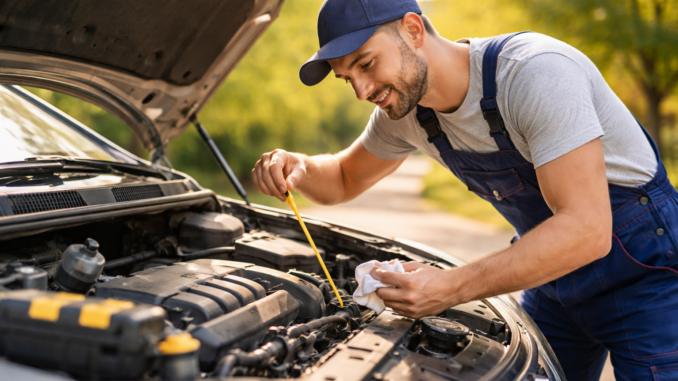
Engine oil is one of the most important fluids in your vehicle. It lubricates the engine’s internal components, reduces friction, and helps prevent overheating. Over time, oil becomes dirty and loses its effectiveness, which can lead to engine damage.
Most modern vehicles require an oil change every 5,000 to 10,000 kilometers, depending on the manufacturer’s recommendations and the type of oil used. Synthetic oil usually lasts longer than conventional oil and offers better protection in extreme temperatures.
Drivers should also check their oil level at least once a month. If the oil appears dark, thick, or low on the dipstick, it may be time for a replacement. Keeping fresh engine oil in your vehicle is one of the easiest ways to maintain engine health.
2. Monitor Tire Pressure and Tire Condition
Proper tire maintenance is crucial for both safety and fuel efficiency. Underinflated tires can reduce fuel economy, cause uneven wear, and increase the risk of tire blowouts. Overinflated tires, on the other hand, can reduce traction and make the ride uncomfortable.
Drivers should check tire pressure at least once a month using a reliable pressure gauge. The recommended tire pressure is usually listed on a sticker inside the driver’s door or in the owner’s manual.
In addition to checking pressure, inspect the tire tread regularly. Worn-out tires reduce grip on wet or slippery roads and increase stopping distance. Rotating tires every 8,000 to 10,000 kilometers can help them wear evenly and last longer.
3. Replace Air Filters When Necessary
Your vehicle typically has two important air filters: the engine air filter and the cabin air filter. Both play a significant role in maintaining performance and air quality.
The engine air filter prevents dirt, dust, and debris from entering the engine. A clogged filter can reduce engine efficiency and increase fuel consumption. Replacing it every 15,000 to 20,000 kilometers can improve engine performance.
The cabin air filter keeps the air inside your car clean by filtering dust, pollen, and pollutants. Replacing this filter regularly ensures better air quality for passengers, especially during long drives.
4. Keep the Battery in Good Condition
A car battery is responsible for powering the engine’s starting system and electrical components. A weak or failing battery can leave drivers stranded without warning.
Most car batteries last between three and five years. Regularly checking the battery terminals for corrosion and ensuring the connections are tight can help extend battery life.
Drivers should also watch for warning signs such as slow engine cranking, dim headlights, or dashboard battery warnings. If these symptoms appear, it may be time to test or replace the battery before it fails completely.
5. Inspect Brake System Regularly
The brake system is one of the most critical safety components in any vehicle. Worn brake pads or damaged brake components can reduce stopping power and increase the risk of accidents.
Drivers should pay attention to unusual sounds such as squealing or grinding when braking. These noises often indicate worn brake pads that need replacement.
It is recommended to inspect brake pads and brake fluid during routine service intervals. Maintaining a healthy brake system ensures safe driving and reliable stopping performance in emergency situations.
6. Check and Maintain Fluid Levels
Modern vehicles rely on several important fluids to function properly. These fluids include coolant, transmission fluid, brake fluid, power steering fluid, and windshield washer fluid.
Coolant helps regulate engine temperature and prevents overheating. Low coolant levels can cause serious engine damage if not addressed promptly.
Transmission fluid keeps the transmission system lubricated and ensures smooth gear changes. Drivers should periodically check fluid levels and top them up if necessary. Keeping all vehicle fluids at proper levels is essential for long-term reliability.
7. Replace Wiper Blades for Clear Visibility
Windshield wipers may seem like a small component, but they play a major role in driving safety. Worn-out wiper blades can leave streaks on the windshield and reduce visibility during rain or storms.
Drivers should inspect wiper blades regularly and replace them at least once a year or whenever they start leaving marks on the glass. High-quality wiper blades ensure clear vision and safer driving during poor weather conditions.
8. Keep Your Car Clean Inside and Out
Regular car cleaning is not just about appearance. Dirt, road salt, and debris can damage the vehicle’s paint and lead to rust over time. Washing your car regularly helps protect the exterior finish.
Interior cleaning is also important for maintaining comfort and preventing long-term wear. Vacuuming seats and carpets removes dust and allergens, while wiping surfaces keeps the cabin looking fresh.
Applying wax to the car’s exterior once or twice a year can add an extra layer of protection against environmental damage.
9. Pay Attention to Warning Lights
Modern vehicles are equipped with advanced onboard diagnostic systems that monitor different parts of the car. When something goes wrong, the dashboard warning lights will alert the driver.
Common warning lights include the check engine light, oil pressure light, battery light, and brake warning light. Ignoring these alerts can lead to bigger problems and expensive repairs.
If a warning light appears, drivers should consult the owner’s manual or visit a professional mechanic for proper diagnosis. Addressing issues early can prevent serious mechanical failures.
10. Follow the Manufacturer’s Maintenance Schedule
Every vehicle manufacturer provides a recommended maintenance schedule in the owner’s manual. This schedule outlines when to replace certain parts, check fluids, and perform inspections.
Following the manufacturer’s guidelines helps keep the vehicle running efficiently and may also protect the warranty for newer cars. Routine services such as spark plug replacement, timing belt inspection, and transmission servicing should never be ignored.
By sticking to the recommended maintenance schedule, drivers can ensure their vehicles remain reliable and safe throughout their lifespan.
Final Thoughts
Car maintenance does not have to be complicated or expensive. By following these ten essential car maintenance tips, drivers can improve vehicle performance, reduce repair costs, and enhance road safety. Simple habits such as checking fluids, monitoring tire pressure, and paying attention to warning signs can make a significant difference in the longevity of a car.
In 2026, automotive technology continues to evolve, but the basics of vehicle care remain the same. A well-maintained car not only performs better but also provides peace of mind for drivers and passengers. By investing a little time in regular maintenance, every driver can enjoy smoother journeys and a longer-lasting vehicle. 🚗